
This may come across as the ramblings of an illiterate Leica Fan Boy. That’s what I am.
The Lecia Q (Typ 116) is a fixed lens compact digital camera with a full-frame sensor. It’s in the higher price bracket for a compact camera with the only real rival being the Sony RX1 range. I’ve also owned the Sony RX1.
I’ve noticed a lot of other reviews that compare the Q to the RX1 and I can honestly say I don’t think you can. They are two totally different cameras and I think they are aimed at two totally different types of people. I have a draft post reviewing the Sony Rx1 and another draft comparing these to cameras that I will publish in the future. So I will stick to the Leica Q for now.
For me, it seems weird to talk about the specs of this camera. I can honestly say up until the day before writing this I wasn’t 100% sure on the megapixel count on the sensor. It doesn’t really matter. I’ll go on to explain why in a moment but here are some of the specs you may be interested in.
Lens: 28mm
Max Aperture: f/1.7
Sensor: 24mp CMOS
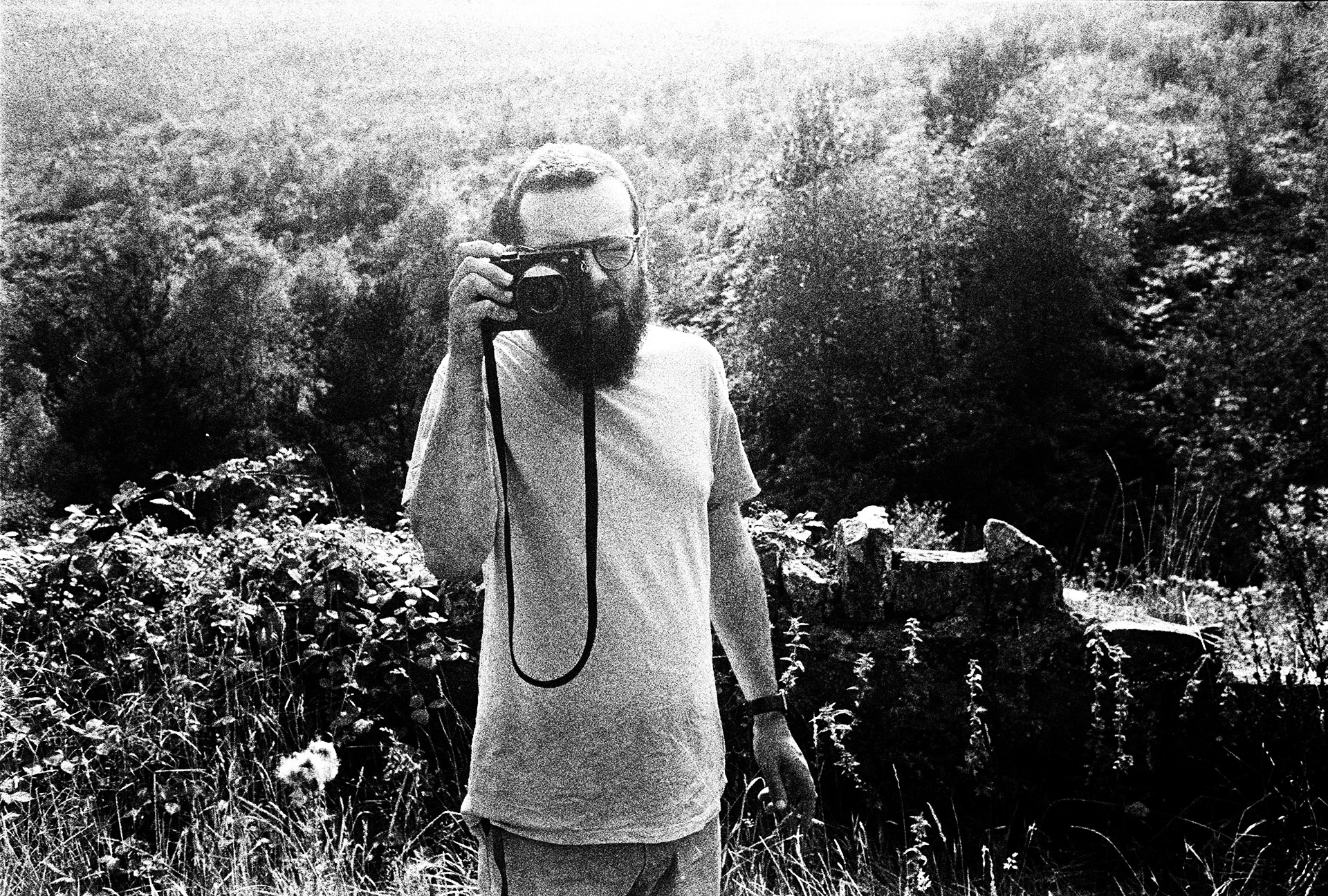
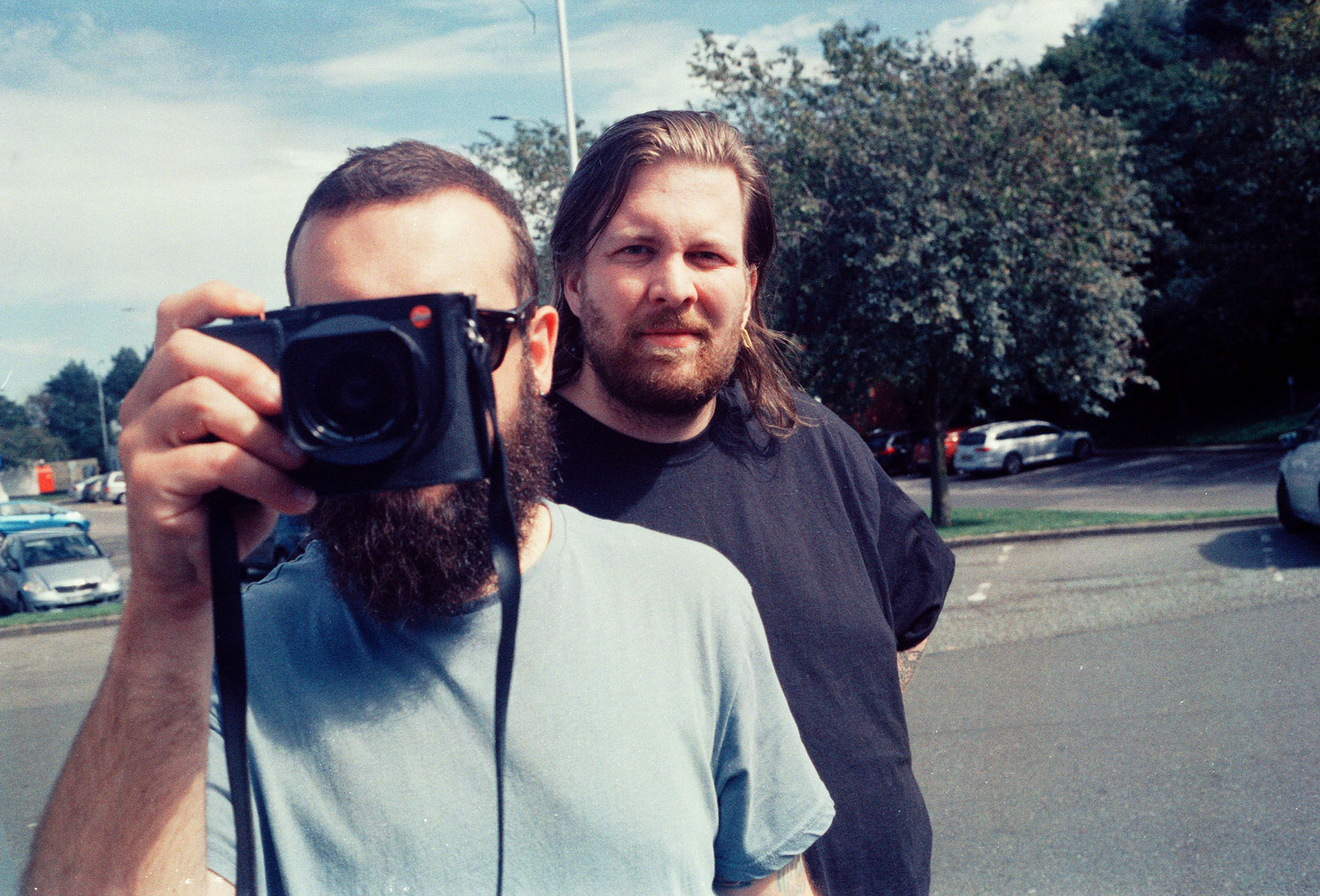
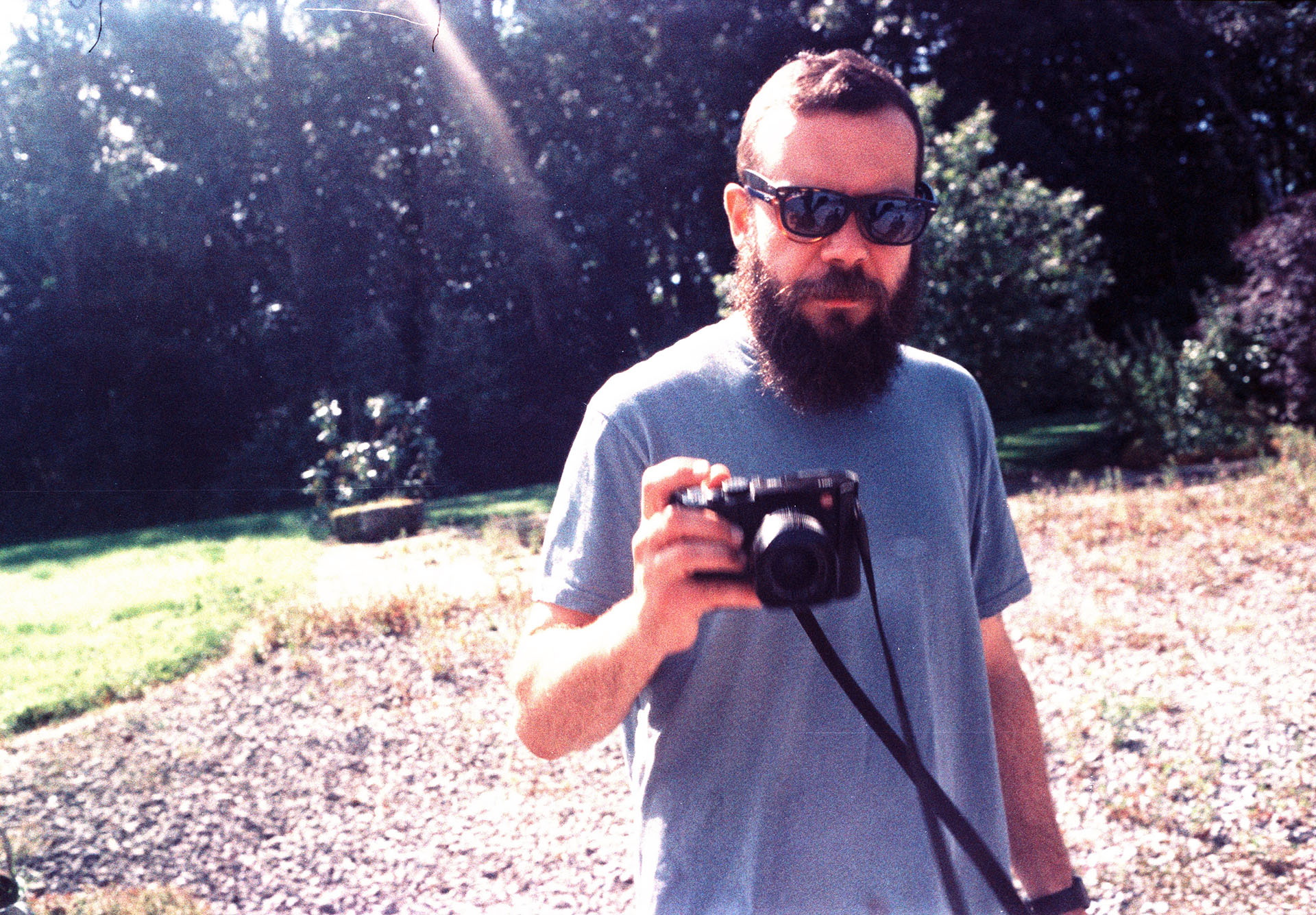
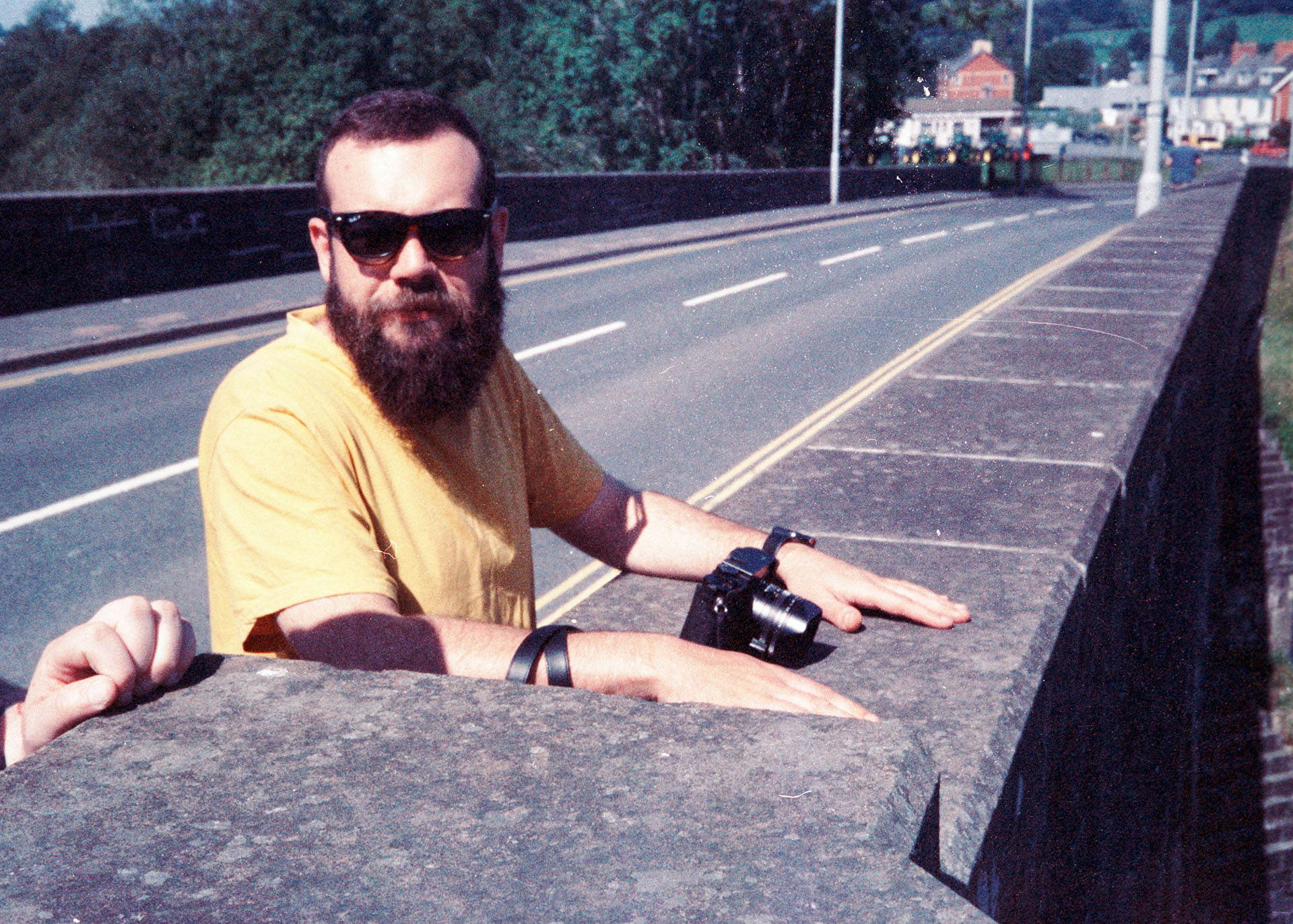
I have owned this camera for two years. I bought it whilst I still owned the RX1 and I did for a while contemplated keeping them both. But in the end, the Leica ended up getting way more use and the Sony was put on eBay. The RX1 is a lot smaller than the Leica. In fact, it was pretty much pocket-sized. I thought it was going to bother me carrying the Q around with me all the time but once I started seeing the photographs it could produce I didn’t care how big it was. I started taking the Q with me everywhere. Now, I’m not saying the Q is a big camera. It’s just bigger than a pocket camera. So you really have to commit to taking it with you. Here are some photos of me committing to taking it with me:


The main reason I bought this camera was the lens. I take a lot of pictures in small indoor spaces. The 35mm on the Sony was just never wide enough. At f/1.7 and ISO 1600 or ISO 3200, I can comfortably use this camera indoors with the shutter dial set at 1/125 which is essential when taking pictures of my son or dog. Anything slower on the shutter dial and it’s just a blurry mess.
This camera begs you to use it the manual controls. Everything that you need to make the exposure correct is right on the camera. Not in a menu. The aperture control sits on the lens, where it should. The shutter speed dial sits on the top and the ISO selection has a dedicated button the rear of the camera. The rest of the settings I can’t review as I have never used them. The only thing I go to the menu for it to swap between monochrome or standard saturation for the colour settings. Oh, and I sometimes change the autofocus setting. But most of the time I am either using face detection or manual focusing. And that is activated by pressing a small unlock switch that sits in the focus tab on the lens and then you can take full control.
This camera isn’t about specs. I don’t even think Leica tout the specs of the camera as a selling point. What matters most to me about this camera is that it just disapears when I’m holding it up to my eye. There are no distractions when you are holding this. No flashing lights twinkling away in the viewfinder and no pages and pages of settings to flick through. It’s just my eye and the thing my eye is looking at and then click. But even the click can be made silent if you are wanting to fully commit to the electronic shutter.
The viewfinder is electronic. Sometimes when it’s really dark it lags a bit. But I’m rarely trying to pan my camera fast enough to keep up with a passing race car in the dark, in my living room. So I can live with that. You can have the viewfinder shows you information if you want but I have mine set to show nothing. That’s not because I don’t care. I just trust that the camera is going to do its job and take the picture.
And that takes me to the main reason I love this camera. I trust it. I trust it to do exactly what I tell it. There is a very mechanical feel to this camera. It’s almost like there are no electronics inside. I feel like the shutter release button is unleashing the shutter curtain. I feel like the aperture control ring is opening and closing the lens. Most importantly I fell like the files that come out of the camera are wonderful photographs. Not just some pictures that has been crudely snapped in a hurry.
The only thing I don’t like about this camera is that the power button has three options. Off, single and continuous. I always find myself accidentally turning it to continuous and then getting a fright when it takes five or more photographs by the time I’ve managed to get my lead finger off the button. I’d prefer it was just either on or off.
I love this camera. It is solid and reliable. Mines has taken a fair few knocks but the metal lens hood has managed to protect the all-important lens area of the camera. It’s a hefty piece of metal. My camera has also had an almost entire pint of beer poured over it and it has survived. Some people would think you were mental for taking this £2500+ camera on nights out or even out the house but I have never once feared for its safety. It can definitely handle itself.
My typical settings for using this camera are ISO 1600, f/1.7, and shutter speed set to auto. It works almost all of the time.
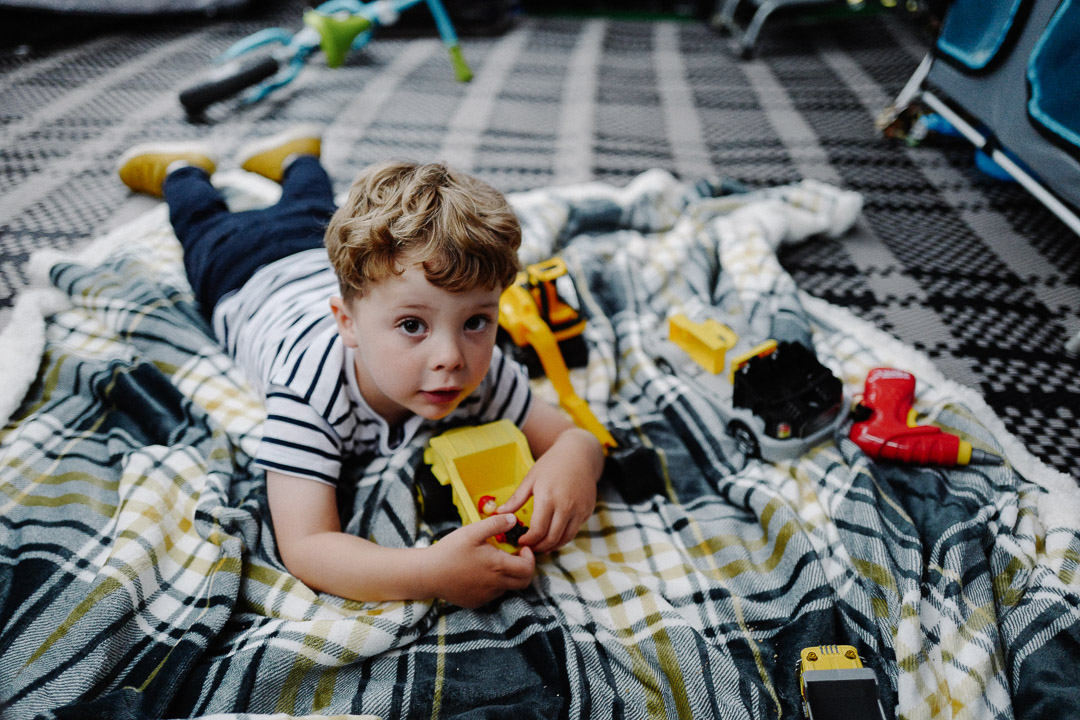
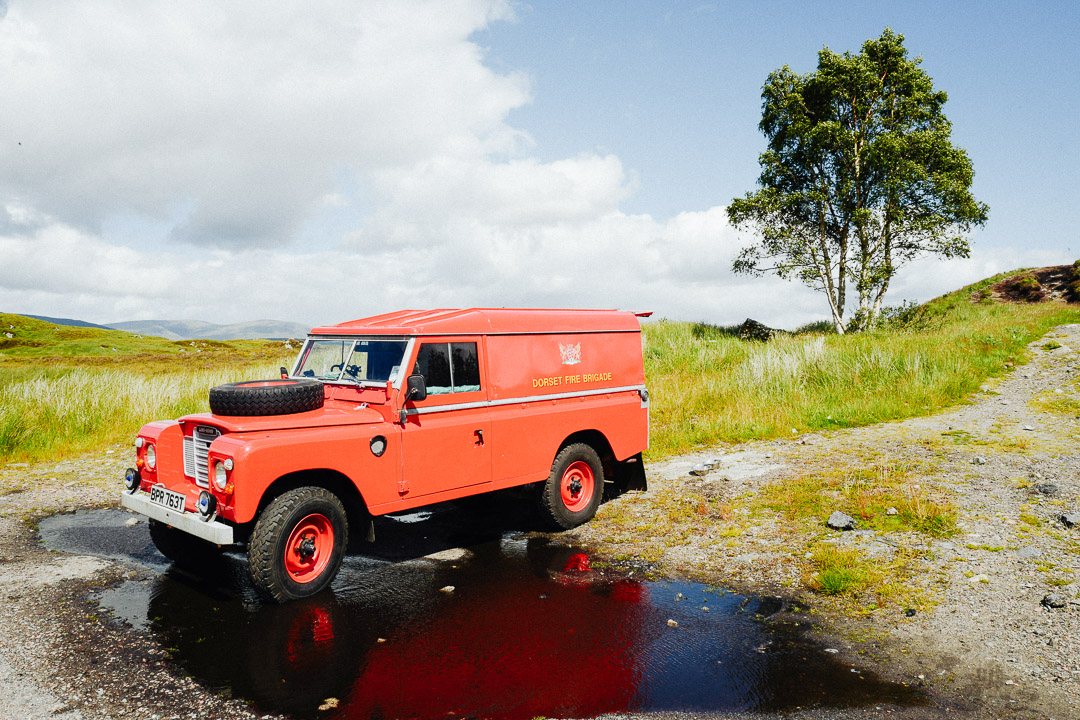
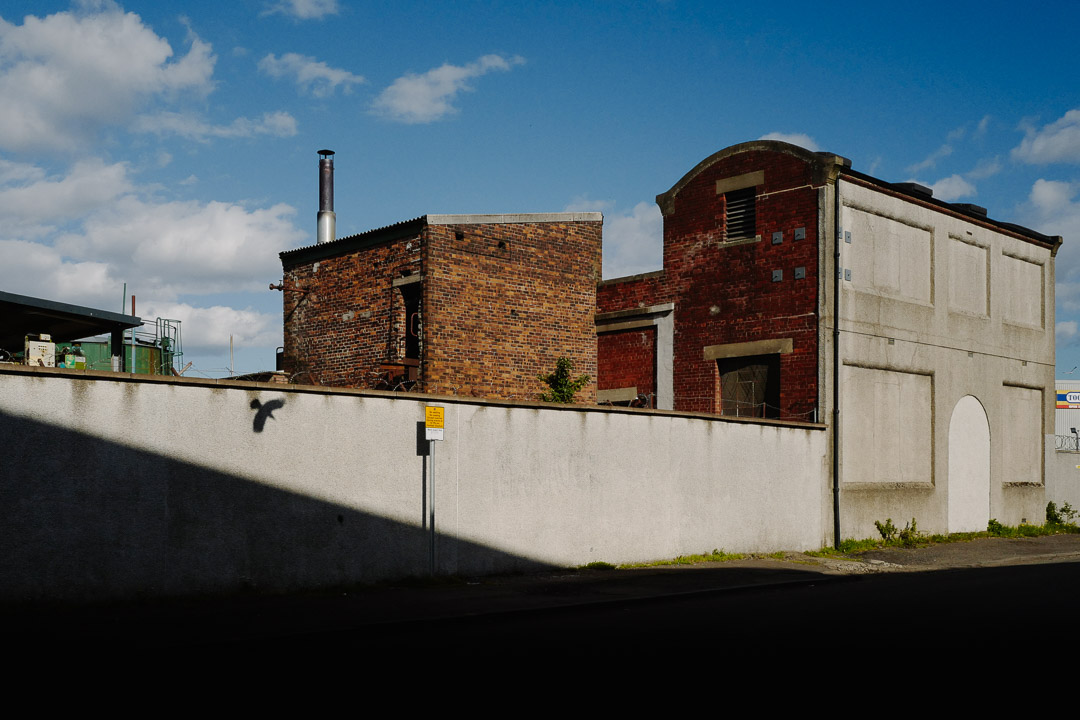
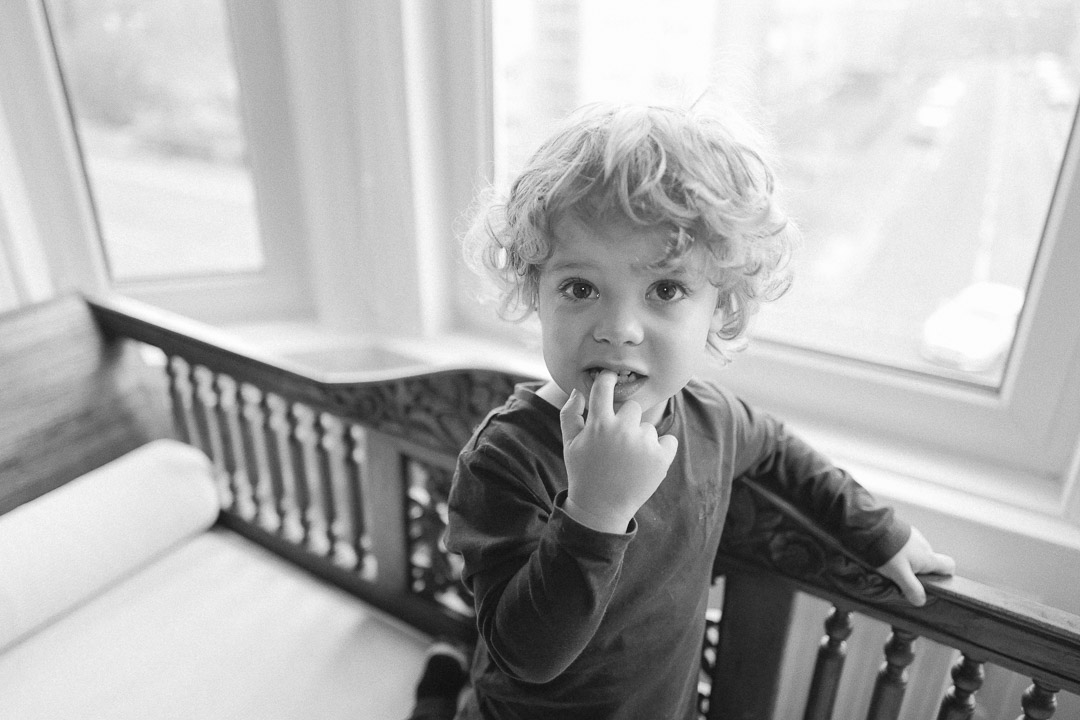
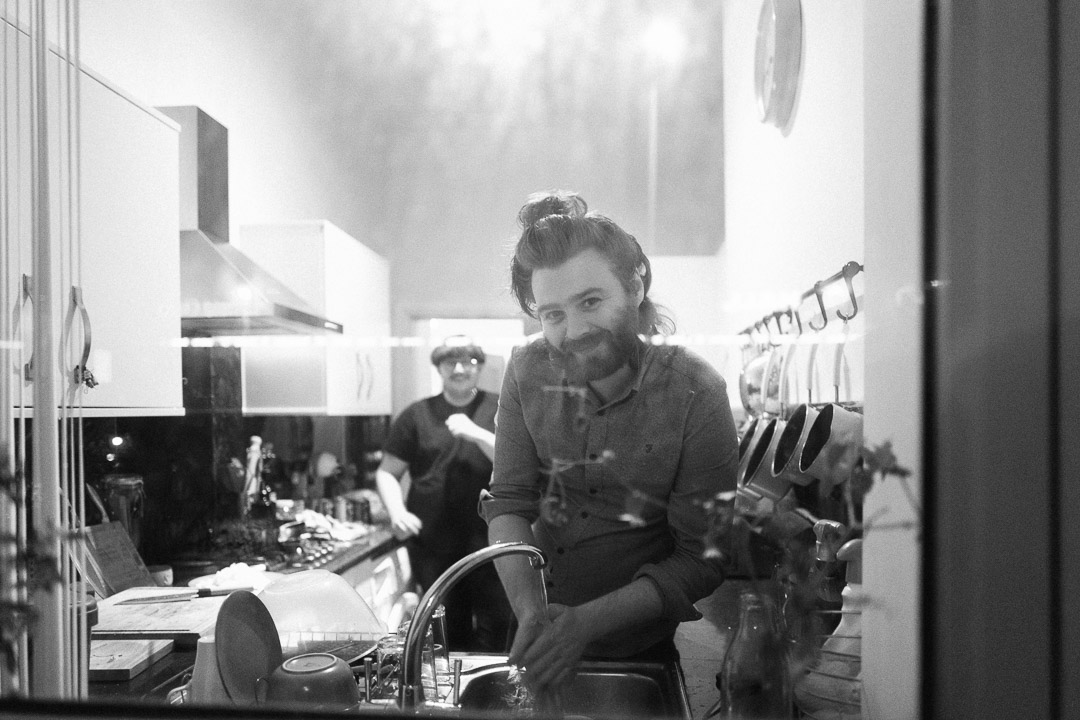
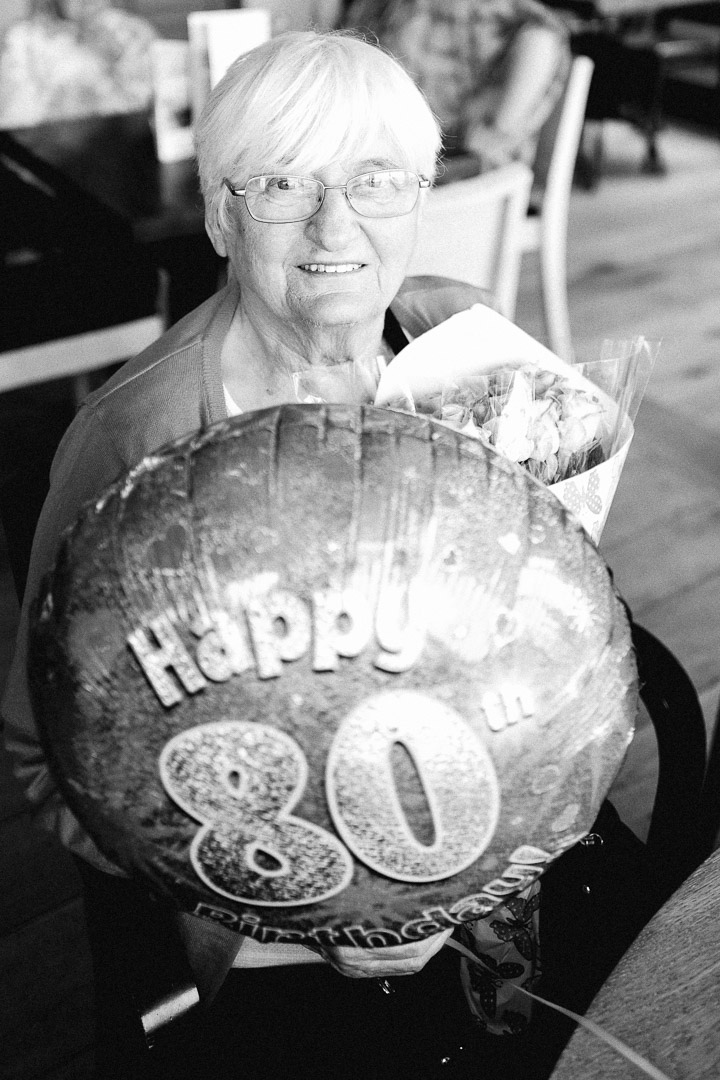
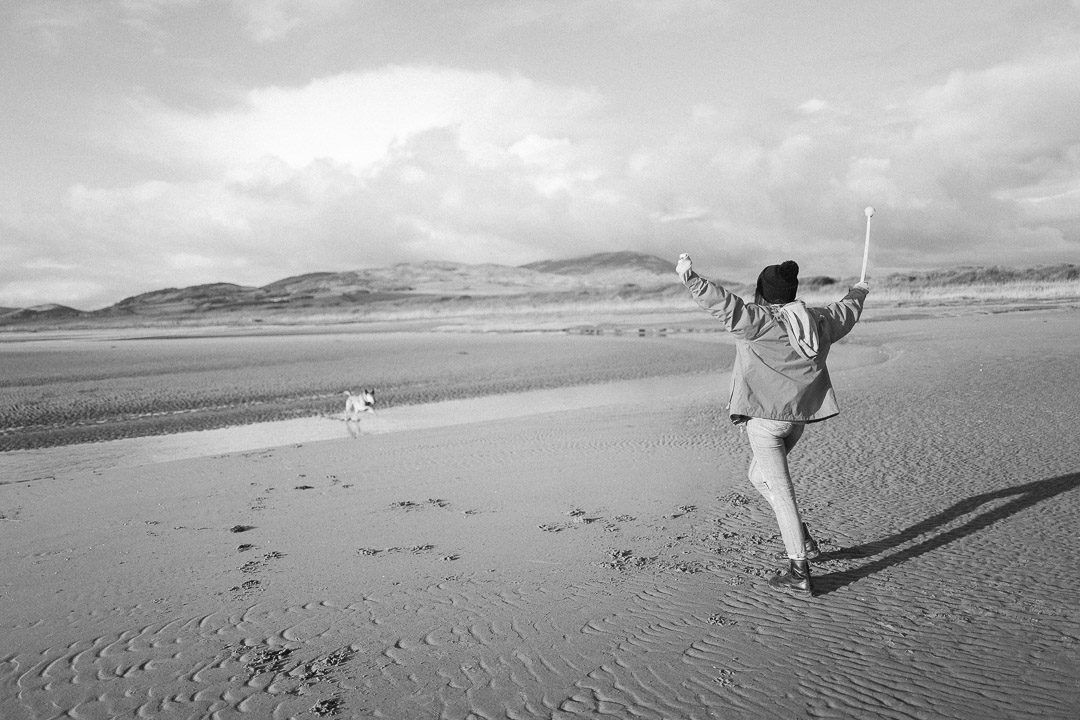
Here are some photographs. It’s just a random selection from my Lightroom catalog. I’m too lazy to curate my own work:











Thanks for having a look at my pictures.
 bryanleonardthompson.com
Nice review Bryan and great images. Love the B&W photos!
LikeLike